
Jobs, Small Business, and Economic Uncertainty in Illinois 2026
As Illinois approaches 2026, the state’s economic landscape faces a complex mix of challenges and opportunities. The interplay of jobs, small business dynamics, and economic uncertainty will shape the way residents and policymakers navigate the next few years. This blog post explores the current trends and future outlook in Illinois concerning employment, entrepreneurship, and the broader economic environment.
Jobs and Small Business Outlook in Illinois – The Current Employment Climate in Illinois
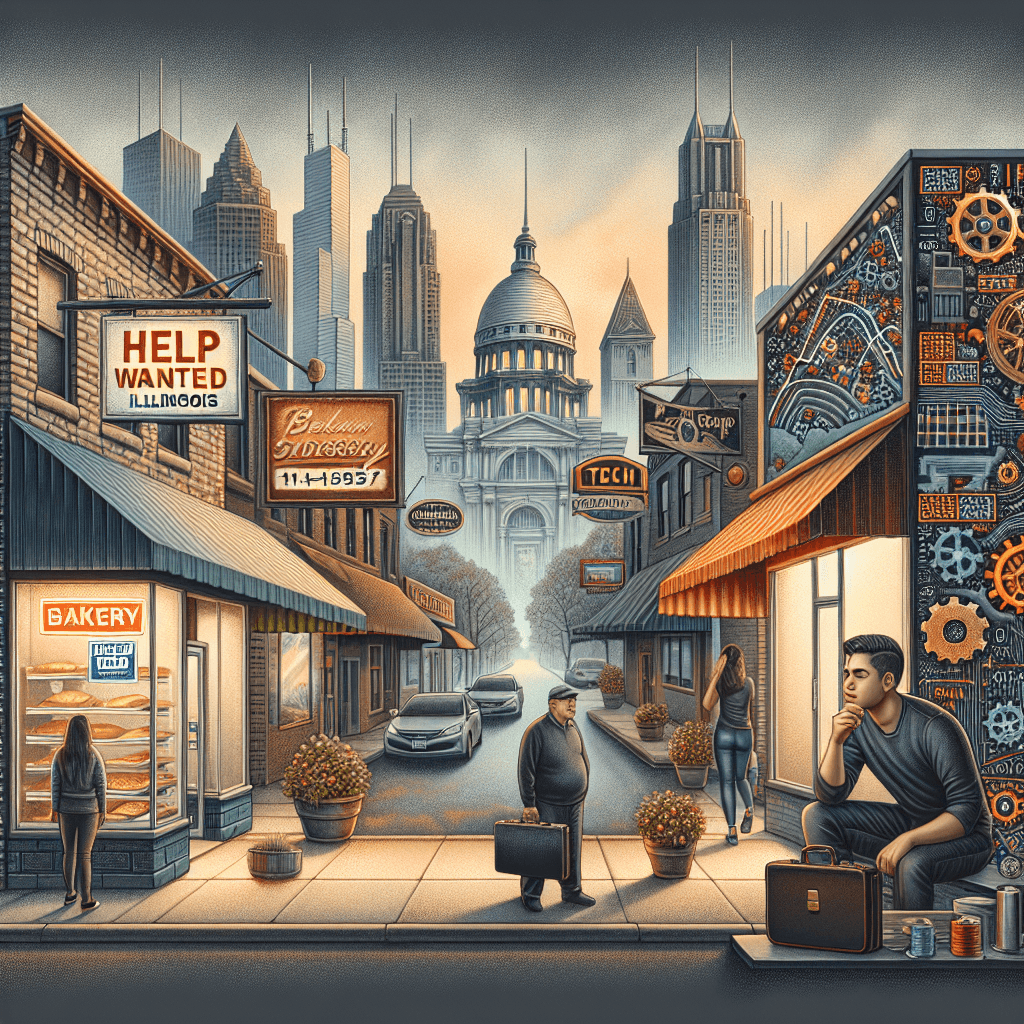
Table of Contents
Jobs Landscape Overview
Illinois, the fifth most populous state in the U.S., has a diverse economy driven by manufacturing, agriculture, services, technology, and government sectors. As of early 2024, the state has been recovering steadily from the disruptions caused by the COVID-19 pandemic. Employment rates have improved, but certain sectors continue to experience volatility.
- Manufacturing and Industrial Jobs: Illinois is home to prominent manufacturing hubs, especially in Chicago and the surrounding suburbs. However, automation and global competition are reshaping this sector.
- Service Industry: The service sector, including healthcare, education, retail, and hospitality, remains a key employer but faces challenges such as labor shortages and wage pressures.
- Technology and Innovation: Chicago and other urban centers have seen growth in tech startups and innovation-based jobs, positioning Illinois as a budding tech hub.
- Government Employment: State and local government remain significant employers but are impacted by budget constraints and political shifts.
Unemployment Rates and Job Creation
Recent statistics indicate that Illinois’ unemployment rate is close to or slightly below the national average, hovering between 3.5% and 4%. Job creation is unevenly distributed, with urban centers like Chicago experiencing more dynamic growth than rural areas, where job opportunities can be limited.
Jobs and Small Business Outlook in Illinois – Small Business in Illinois: Engines of Growth and Innovation
The Role of Small Businesses
Small businesses are the backbone of Illinois’ economy, accounting for nearly 45% of employment in the state. These enterprises range from family-run shops and restaurants to innovative startups spanning technology, manufacturing, and services.
Key Contributions of Small Businesses:
- Employment opportunities: They create jobs for local communities.
- Economic diversification: Mitigate the impact of downturns in major industries.
- Innovation: Foster new products and services that can scale regionally or nationally.
- Community development: Promote local engagement and economic resilience.
Challenges Facing Small Businesses
Despite their importance, Illinois small businesses face numerous hurdles:
- Access to Capital: Many small businesses struggle to secure funding due to tightening bank lending standards.
- Regulatory Environment: Complex state and local regulations can increase operational costs and restrict growth.
- Labor Market Constraints: Skilled labor shortages and rising wages impact profitability.
- Supply Chain Disruptions: Ongoing global disruptions affect inventory availability and price stability.
- Rising Operational Costs: Increases in taxes, insurance, and rent squeeze margins.
Success Stories and Adaptive Strategies
Some Illinois businesses are thriving by embracing new strategies:
- Digital Transformation: Using e-commerce platforms to reach new customers beyond local markets.
- Niche Markets: Specializing in unique products or experiences that differentiate them from competitors.
- Sustainability Initiatives: Aligning with consumer demand for environmentally friendly practices.
- Collaboration and Networking: Joining business associations and incubators to share resources and knowledge.
Jobs and Small Business Outlook in Illinois – Economic Uncertainty in Illinois 2026: Causes and Consequences
Key Factors Fueling Economic Uncertainty
Illinois faces specific economic uncertainties that could influence jobs and small businesses in 2026:
Fiscal Challenges and Public Debt
Illinois has one of the nation’s highest public debt burdens and unfunded pension liabilities. Continued fiscal strain could lead to higher taxes or cuts in public services, affecting consumer spending and business confidence.Political Landscape and Policy Shifts
Political changes can lead to abrupt shifts in economic policies, regulations, and spending priorities, creating an unpredictable environment for businesses and workers.Global Economic Conditions
Dependency on exports and international supply chains exposes Illinois to global economic headwinds such as trade tensions, fluctuating commodity prices, and geopolitical conflicts.Technological Disruption
Rapid technological change can render certain jobs obsolete while creating new opportunities. The pace of adoption in Illinois industries will determine winners and losers.Climate Change and Environmental Risks
Increasing frequency of severe weather events threatens infrastructure and agriculture, key sectors in Illinois, and may impose new regulatory requirements.
Impact on Jobs
Economic uncertainty tends to slow hiring, increase workforce turnover, and pressure wages. Workers may face:
- Reduced job security and part-time or gig work prevalence.
- Need for continual skills upgrading and retraining.
- Potential geographic shifts toward urban centers or sectors less vulnerable to economic shocks.
Impact on Small Businesses
Small businesses are particularly vulnerable to uncertainty because of their limited resources and flexibility:
- Difficulty in long-term planning and investment.
- Increased difficulty in managing cash flow during downturns.
- Higher barriers to entering or expanding in volatile markets.
- Greater risk of closure, especially for businesses with weak financial buffers.
Jobs and Small Business Outlook in Illinois – Navigating the Future: Strategies for Illinois Stakeholders
For Policymakers
To mitigate economic uncertainty and foster job growth, government action is critical:
- Fiscal Responsibility: Developing sustainable budgets and addressing pension liabilities to protect economic stability.
- Supportive Regulatory Framework: Simplifying regulations to encourage small business development.
- Investment in Workforce Development: Funding programs for technical training, apprenticeships, and lifelong learning.
- Infrastructure and Technology: Investing in broadband expansion, transportation, and green initiatives to modernize the economy.
- Small Business Support: Expanding access to funding, mentorship, and digital resources.
For Small Business Owners
Entrepreneurs can prepare for uncertainty through:
- Financial Planning: Building reserves and controlling costs to weather downturns.
- Diversification: Broadening product or service offerings to reduce dependency on a single market.
- Embracing Technology: Using digital tools for marketing, sales, and operations.
- Networking: Collaborating with other businesses and industry groups for shared learning.
- Flexibility: Adapting business models quickly in response to economic signals.
For Job Seekers and Workers
Adapting to change demands:
- Continuous Learning: Acquiring new skills relevant to evolving job markets.
- Flexibility and Mobility: Being open to sector or geographic changes as opportunities arise.
- Entrepreneurial Mindset: Considering small business ownership or freelance work as alternatives.
- Leveraging Support Services: Using career counseling, training programs, and unemployment resources wisely.
Conclusion – Jobs and Small Business Outlook in Illinois
Illinois in 2026 stands at a crucial juncture where jobs, small businesses, and economic uncertainty converge. While challenges related to fiscal strain, global conditions, and technological disruption pose risks, the state’s rich resources, entrepreneurial spirit, and policy innovations provide avenues for resilience and growth. By embracing adaptability, strategic investments, and inclusive policies, Illinois can strengthen its economic fabric and create a prosperous environment for workers and small businesses alike.
Navigating this uncertain terrain will require cooperation among government, businesses, and individuals, but with foresight and determination, Illinois can turn uncertainty into opportunity.