Illinois Tax vs. Arizona Tax: A Comprehensive Comparison
When considering a move or evaluating your financial situation, understanding state tax structures becomes essential. Both Illinois and Arizona have unique tax systems that impact residents, businesses, and investors differently. This post provides a detailed comparison of Illinois tax vs. Arizona tax, highlighting key aspects to help you make informed decisions.
Overview of Illinois Tax System
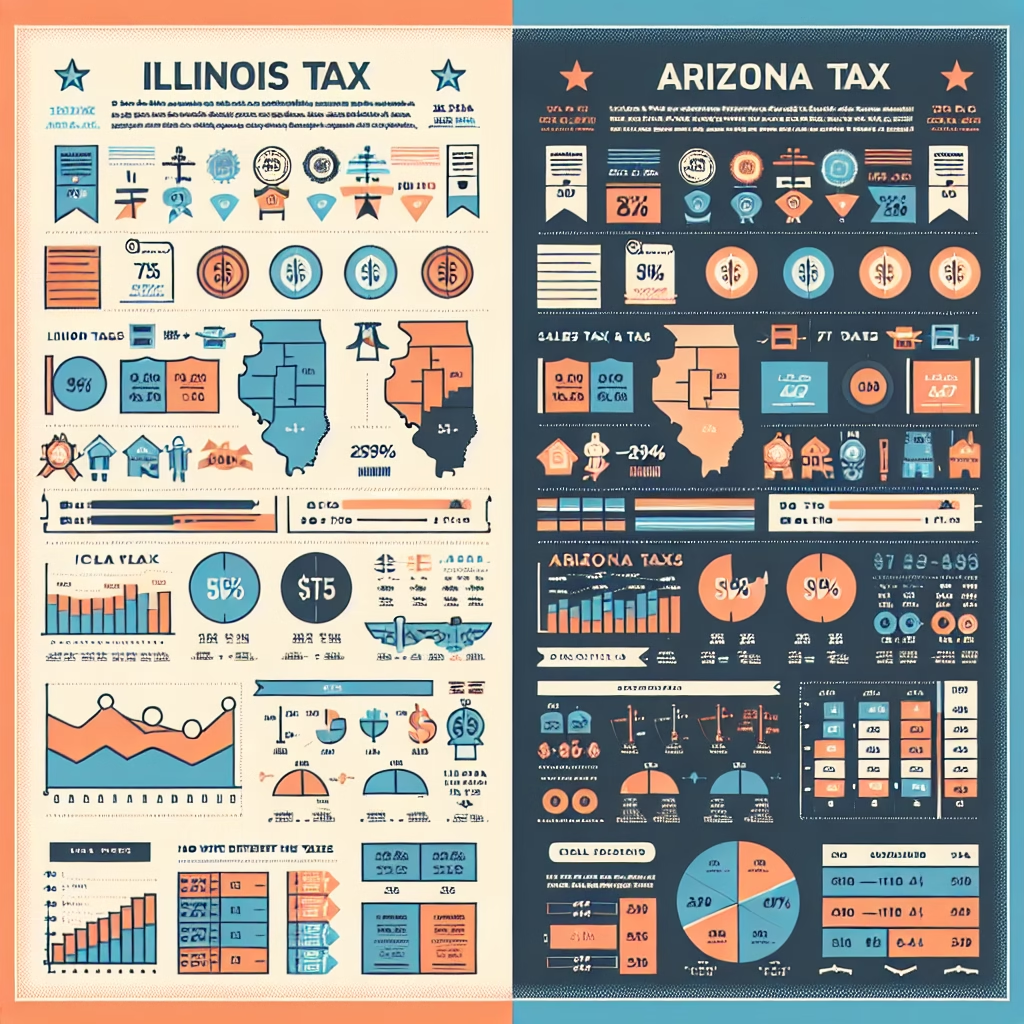
Illinois has a relatively straightforward tax system with an emphasis on income and sales taxes.
Income Tax
- Flat Rate: Illinois imposes a flat state income tax rate of 4.95% on all taxable income.
- Deductions and Exemptions: The state offers standard deductions and personal exemptions, but its tax exemptions are comparatively limited.
- Local Income Tax: Chicago and some other municipalities impose local taxes on income, which can increase the overall tax burden.
Sales Tax
- Base Rate: Illinois has a base state sales tax rate of 6.25%.
- Local Additions: Local jurisdictions can add sales taxes, making the combined rate in cities like Chicago reach up to 10.25%.
- Taxable Items: Most goods are subject to sales tax, excluding certain groceries and prescription medications.
Property Tax
- Illinois is known for having some of the highest property taxes in the United States. Property tax rates vary by county and municipality but can be a significant financial consideration for homeowners.
Overview of Arizona Tax System
Arizona’s tax structure is often seen as business-friendly and slightly less burdensome for residents, depending on income levels and spending habits.
Income Tax
- Progressive Rates: Arizona uses a progressive income tax with rates ranging from 2.55% to 4.50%, depending on income brackets.
- Recently Adjusted Rates: Arizona has made efforts to reduce tax burdens by adjusting rates downward in recent years.
- Deductions and Credits: The state offers various deductions, including a standard deduction aligned with federal amounts, and credits for education and other expenditures.
Sales Tax (Transaction Privilege Tax)
- Base Rate: Arizona imposes a Transaction Privilege Tax (TPT) with a base rate of around 5.6%.
- Local Rates: Cities and counties add their own taxes, which can result in combined rates between 6% and 11% depending on location.
- Tax Base: The TPT applies to the seller rather than the buyer but is typically passed on to consumers.
Property Tax
- Arizona’s property taxes are generally lower than Illinois, with effective rates substantially below the national average.
- Assessment ratios and valuation methods differ, but homeowners in Arizona typically see lower annual property tax bills than in Illinois.
Illinois Tax vs. Arizona Tax: Detailed Comparison
Income Tax: Flat vs. Progressive
| Feature | Illinois | Arizona |
|---|---|---|
| Tax Structure | Flat rate (4.95%) | Progressive (2.55% to 4.50%) |
| Impact on Low Income Earners | Higher relative burden | Lower rates for lower brackets |
| Impact on High Income Earners | One rate, regardless of income level | Slightly lower top rate |
Illinois taxpayers pay a flat rate, which means the tax burden on lower-income individuals can be higher compared to Arizona’s graduated system.
Sales Tax: Rates and Application
Illinois generally has a higher base sales tax but significant variability depending on municipality. Arizona, while having a lower base rate, can reach similar combined rates due to local add-ons.
| Feature | Illinois | Arizona |
|---|---|---|
| Base State Sales Tax Rate | 6.25% | ~5.6% |
| Average Combined Rate | Up to 10.25% (e.g., Chicago) | 6% to 11% depending on area |
| Tax on Groceries | Generally exempt | Taxed in some cases |
Property Tax: A Major Differentiator
Illinois stands out for its high property tax rates which affect homeowners and businesses. Arizona offers a more moderate tax level, often appealing to retirees and those with fixed incomes.
Business Tax Climate
- Illinois: Higher corporate income tax rate (7.0%) compared to Arizona.
- Arizona: Lower corporate income tax rate (4.9% as of recent years) and incentives to attract businesses.
Which State Has the Better Tax System?
The answer depends largely on your personal or business situation.
- For Low to Moderate Income Residents, Arizona’s progressive income tax and lower property taxes may yield financial benefits.
- For High Earners, Illinois’ flat tax may result in a higher tax bill.
- Homeowners tend to benefit from Arizona’s lower property taxes.
- Businesses often prefer Arizona due to lower corporate taxes and incentives.
Conclusion
Deciding between Illinois tax vs. Arizona tax involves weighing multiple factors from income levels to property ownership and business operations. Illinois offers simplicity with its flat income tax but higher property and sales taxes, especially in urban areas. Arizona presents a progressive income tax system, generally lower property taxes, and a somewhat lower base sales tax but with local rates that can vary widely.
By carefully assessing how each category applies to your lifestyle or business, you can better navigate the tax landscape and optimize your financial outcomes.